Vomiting is your stomach’s dramatic way of saying, “Everyone out. Party’s over.” Whether it was caused by a stomach bug, food poisoning, motion sickness, overeating, medication, stress, or a mystery meal that clearly had a villain arc, your digestive system needs a little patience afterward. The first foods and drinks you choose can either help your stomach calm downor send it right back into emergency mode.
This guide explains what not to eat after vomiting, why certain foods can make nausea worse, and what to choose instead when your stomach is finally ready to rejoin society. The goal is not to starve yourself or follow a bland-food prison sentence forever. It is to give your stomach a short recovery window so you can return to normal eating without round two of the bathroom Olympics.
Important note: This article is for general informational purposes only and is not a substitute for medical care. Seek medical help if vomiting is severe, persistent, accompanied by signs of dehydration, blood, severe abdominal pain, confusion, stiff neck, chest pain, high fever, or if the person vomiting is an infant, elderly adult, pregnant, immunocompromised, or has a serious medical condition.
Why Food Choices Matter After Vomiting
After vomiting, the stomach lining can feel irritated and sensitive. The body may also be low on fluids and electrolytes, especially if vomiting happens more than once or comes with diarrhea. That means the first priority is usually hydration, not a heroic return to pizza, tacos, or a cheeseburger the size of a steering wheel.
Many medical sources recommend letting the stomach settle, sipping small amounts of clear fluids, and gradually returning to bland, easy-to-digest foods. Think crackers, toast, rice, bananas, applesauce, broth, plain potatoes, noodles, and similar gentle options. The mistake many people make is eating too much, too soonor choosing foods that are high in fat, spice, acid, fiber, caffeine, or sugar.
Your stomach after vomiting is like a phone at 2% battery. Technically, it is still working, but this is not the moment to open ten apps and stream a movie. Start simple.
What Not to Eat After Vomiting
1. Fried, Greasy, and High-Fat Foods
Fried foods are one of the biggest “not yet” choices after vomiting. French fries, fried chicken, onion rings, mozzarella sticks, greasy burgers, bacon, sausage, pepperoni pizza, and fast food can be hard to digest. Fat slows stomach emptying, which may increase nausea, bloating, and that unpleasant “uh-oh” feeling.
Even if your appetite comes roaring back, resist the urge to celebrate with fried food. Your stomach may not be ready for a reunion tour with the drive-thru. Choose plain toast, crackers, rice, bananas, applesauce, broth, or baked potatoes first. Once you can keep those down comfortably, you can slowly return to regular meals.
2. Spicy Foods
Hot sauce, chili, jalapeños, spicy ramen, curry, buffalo wings, pepper-heavy dishes, and heavily seasoned snacks can irritate the stomach after vomiting. Spicy foods may also trigger acid reflux or burning discomfort, especially when the throat and esophagus are already irritated from stomach acid.
This does not mean spicy food is “bad.” It simply means spicy food has terrible timing after vomiting. Give your stomach a break before inviting chili flakes back to the table.
3. Acidic Foods and Drinks
Acidic foods can sting an already irritated stomach and throat. It is best to avoid oranges, grapefruit, lemons, limes, pineapple, tomato sauce, salsa, vinegar-heavy foods, and sour candies immediately after vomiting. Orange juice may sound refreshing, but it can be too sharp for a sensitive stomach.
Tomato soup, marinara pasta, lemonade, and citrus smoothies should also wait until nausea is gone and you are eating normally again. Gentler choices include water, diluted electrolyte drinks, clear broth, ice chips, plain crackers, toast, bananas, rice, and applesauce.
4. Dairy Products, Especially Full-Fat Dairy
Milk, cream, ice cream, rich cheese, milkshakes, and creamy sauces can be difficult to tolerate after vomiting. Some people temporarily digest lactose poorly after a stomach illness, especially if vomiting comes with diarrhea. Full-fat dairy can be even harder because fat slows digestion.
That does not mean everyone must avoid every dairy product for a week. Some people tolerate small amounts of low-fat yogurt later in recovery, especially if diarrhea is improving. But right after vomiting, a giant bowl of ice cream is not self-care; it is a plot twist.
5. Alcohol
Alcohol is a firm no after vomiting. It can irritate the stomach, worsen dehydration, disrupt sleep, and make nausea worse. If vomiting was caused by alcohol in the first place, the stomach needs fluids, rest, and timenot “just one drink” to test the system. That is not science; that is chaos wearing sunglasses.
Choose small sips of water, oral rehydration solution, diluted electrolyte drinks, or clear broth instead. Hydration is the main event.
6. Caffeinated Drinks
Coffee, energy drinks, strong tea, and some sodas may irritate the stomach or contribute to dehydration in sensitive people. Caffeine can also increase acid production and make some people feel jittery or nauseated. If you are a coffee person, this may sound emotionally unreasonable, but wait until your stomach is stable.
When you are ready, restart caffeine slowly. A small, weak coffee with bland food is usually kinder than an empty-stomach espresso ambush.
7. Carbonated Beverages
Some people reach for soda after vomiting because they heard it “settles the stomach.” For certain people, tiny sips of flat ginger ale or diluted noncaffeinated drinks may feel soothing. But carbonation can also create gas, bloating, burping, and pressure, which may trigger more nausea.
If you choose a carbonated drink, let it go flat first and sip slowly. Better options include oral rehydration solution, water, ice chips, clear broth, or diluted electrolyte drinks.
8. Very Sugary Foods and Drinks
Candy, pastries, sweet cereals, regular soda, undiluted juice, syrupy sports drinks, and desserts can be rough on a recovering stomach. Large amounts of sugar can pull water into the intestines and may worsen diarrhea if diarrhea is part of the illness.
If you need electrolytes, choose an oral rehydration solution or a diluted electrolyte drink rather than chugging a sugary beverage. Sip slowly. Your stomach is not accepting speed-run challenges today.
9. Raw Vegetables and High-Fiber Foods
Raw salads, broccoli, cabbage, cauliflower, onions, corn, beans, lentils, bran cereal, whole-grain breads, seeds, nuts, and dried fruit are healthy foodsbut not always right after vomiting. Fiber is valuable for long-term digestive health, but it can be bulky and gas-producing when your stomach is irritated.
During the early recovery period, lower-fiber foods such as white rice, plain noodles, toast, crackers, applesauce, bananas, and potatoes are often easier to tolerate. Add high-fiber foods back gradually once nausea has passed.
10. Heavy Protein Meals
Protein matters for recovery, but a large steak, fried pork chop, double cheeseburger, heavy barbecue plate, or oily fish may be too much after vomiting. High-fat proteins are especially likely to sit heavily in the stomach.
When you are ready for protein, start with small portions of gentle options such as baked chicken, plain fish, scrambled egg, tofu, or broth-based soup. Keep portions modest and avoid heavy sauces.
11. Strong-Smelling Foods
Smell can be a surprisingly powerful nausea trigger. Garlic-heavy dishes, fried foods, fishy foods, strong cheeses, reheated leftovers, and heavily seasoned meals may smell like a five-star dinner on a normal day and a personal attack after vomiting.
Cold or room-temperature foods may be easier because they smell less intense. Crackers, applesauce, bananas, chilled gelatin, plain toast, or simple sandwiches can feel more manageable than a hot aromatic meal.
12. Large Meals
Even gentle food can backfire if you eat too much at once. After vomiting, the stomach usually prefers tiny test portions. Start with a few sips of fluid. If that stays down, try a cracker, a bite of toast, a spoonful of applesauce, or a few bites of banana. Wait and see.
Eating a full plate the moment you feel hungry can restart nausea. Small, frequent meals are usually easier than one big meal. This is not the time to prove anything to your leftovers.
What to Drink First After Vomiting
Before focusing on food, focus on fluids. After vomiting, try waiting a short period for the stomach to settle, then take tiny sips. Start with water, ice chips, oral rehydration solution, diluted electrolyte drinks, clear broth, or popsicles. If you drink too quickly, the stomach may reject the whole project.
A helpful method is to sip one or two teaspoons every few minutes. If that stays down, slowly increase the amount. This may feel annoyingly slow, but slow is often what works.
What to Eat Instead: Gentle Foods That Usually Help
Once you can keep fluids down and feel hungry, begin with bland foods. Good early choices include:
- Plain crackers or saltines
- Dry toast or plain bread
- Bananas
- White rice
- Applesauce
- Plain noodles
- Plain potatoes
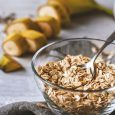
- Oatmeal made with water
- Clear broth or simple soup
- Gelatin or ice pops
These foods are not exciting, but they are low-drama. Bland foods are like the quiet friend who helps you move furniture and does not make a speech about it. They simply do the job.
How Long Should You Avoid These Foods?
There is no single perfect timeline because vomiting has many causes. For a short stomach upset, you may only need a few hours of clear fluids followed by bland foods for a day. If you had a stomach virus or food poisoning, it may take 24 to 48 hours before your normal diet sounds like a good idea again.
A simple rule: wait until you have kept fluids down, nausea is improving, and bland foods stay down before returning to heavier meals. Add foods back gradually. If nausea returns, pause and step back to fluids and bland foods.
Common Mistakes People Make After Vomiting
Eating Too Soon
Hunger can return before the stomach is ready. If you vomited recently, give your stomach time to settle. Start with fluids before solids.
Chugging Water
Hydration is important, but drinking a large amount quickly can trigger more vomiting. Small sips are better than heroic gulps.
Going Straight Back to Normal Food
Your regular diet may be healthy, but your recovering stomach may not be ready for salad, coffee, spicy food, or grilled cheese. Reintroduce foods slowly.
Ignoring Dehydration Signs
Dry mouth, dizziness, dark urine, extreme thirst, weakness, confusion, and not urinating much can be signs that you need medical attention, especially if you cannot keep fluids down.
When to Get Medical Help
Most vomiting improves with rest, fluids, and careful eating. However, medical care is important if vomiting is persistent or severe. Get help if you cannot keep fluids down, have signs of dehydration, severe or worsening abdominal pain, blood in vomit or stool, high fever, stiff neck, confusion, chest pain, severe headache, or vomiting after a head injury.
Children, older adults, pregnant people, and people with chronic illnesses can become dehydrated faster, so it is safer to seek guidance earlier. When in doubt, call a healthcare professional.
500-Word Experience Section: Real-Life Lessons About What Not to Eat After Vomiting
One of the most common experiences after vomiting is the “false comeback.” You feel terrible, then suddenly you feel a little better, and your brain immediately says, “Great, let’s eat something dramatic.” This is how many people learn the hard way that the stomach and the brain do not always attend the same meetings.
Imagine someone wakes up after a night of vomiting from a stomach bug. By noon, the nausea has calmed down, and they decide they are “basically fine.” In the kitchen, they see leftover pepperoni pizza. It looks friendly. It smells familiar. It whispers, “Remember happiness?” They eat two slices. Thirty minutes later, their stomach files a formal complaint. The fat, spice, cheese, and acid from the tomato sauce were too much too soon.
A better approach would have been boring but effective: a few sips of water, a little broth, some saltine crackers, half a banana, and a wait-and-see attitude. After a few hours, maybe toast or rice. Later, maybe a small serving of chicken soup. The stomach usually rewards patience.
Another common experience involves orange juice. People often think juice is a good recovery drink because it has vitamins and feels refreshing. But after vomiting, citrus can sting the throat and irritate the stomach. A person may drink a big glass of orange juice, expecting wellness in a cup, only to feel nausea flare up again. In this situation, diluted electrolyte solution, water, ice chips, or clear broth would usually be gentler.
Dairy is another sneaky one. A milkshake sounds soothing because it is cold and creamy, but it can be heavy, sugary, and high in fat. After a stomach illness, it may sit like a brick. Some people can handle low-fat yogurt later, but rich dairy immediately after vomiting is a gambleand the stomach is usually the house.
Then there is the coffee problem. For coffee lovers, skipping the morning cup can feel like being asked to operate a spaceship without instructions. Still, coffee right after vomiting can be rough. It is acidic, caffeinated, and often taken on an empty stomach. Many people do better waiting until they can tolerate bland food first, then trying a small amount later.
The biggest lesson from real-life recovery is simple: do not use appetite as the only sign that you are ready. Appetite can return quickly, but digestion may still be sensitive. The safest strategy is to rebuild in layers: tiny sips, clear fluids, bland foods, small meals, then normal foods. Each step is a test. If your stomach passes, move forward. If not, step back.
Vomiting is unpleasant, but recovery does not have to be complicated. Avoid greasy, spicy, acidic, sugary, caffeinated, alcoholic, high-fiber, and heavy foods at first. Choose gentle foods, hydrate slowly, and let your digestive system make its comeback without turning dinner into a sequel nobody asked for.
Conclusion
Knowing what not to eat after vomiting can make recovery smoother and help reduce the chance of nausea returning. The main foods to avoid are fried and greasy meals, spicy dishes, acidic foods, full-fat dairy, alcohol, caffeine, carbonated drinks, very sugary foods, raw vegetables, high-fiber foods, strong-smelling meals, and large portions. Start with small sips of fluid, move to bland foods, and return to normal eating slowly.
Your stomach is not asking for perfection. It is asking for a calm environment, gentle fuel, and maybe not a spicy burrito five minutes after disaster. Respect the recovery window, and your digestive system will usually forgive you faster.