Psoriatic arthritis can turn ordinary tasks into tiny boss battles. One day you are opening a jar like a kitchen champion, and the next day the lid feels like it was designed by a supervillain. That is where assistive devices come in. These tools are not flashy, and they do not cure psoriatic arthritis, but they can make daily life more comfortable, more efficient, and a lot less frustrating.
Psoriatic arthritis is an inflammatory condition linked with psoriasis that can cause joint pain, stiffness, swelling, fatigue, and reduced function. It often affects the fingers and toes, but it can also involve the wrists, knees, feet, lower back, and spine. Because symptoms can flare and settle, many people need flexible strategies they can use at home, at work, and on the go. Assistive devices help reduce stress on painful joints, improve grip and stability, support mobility, and make everyday tasks feel less like an obstacle course.
This article explains which assistive devices may help people with psoriatic arthritis, how to choose them wisely, and how to use them as part of a bigger self-management plan. The goal is simple: protect your joints, save your energy, and help you keep doing the things that matter.
Why Assistive Devices Matter in Psoriatic Arthritis
When psoriatic arthritis affects your hands, feet, or larger joints, even basic movements can become irritatingly expensive in terms of pain and effort. Twisting, pinching, gripping, pushing, pulling, and standing for long periods can all increase strain. Assistive devices are designed to reduce that strain. Some improve leverage, some enlarge a grip, some stabilize a joint, and some simply make a task safer.
That matters because joint protection is not just a comfort trick. It is a practical way to support function during flares and reduce unnecessary stress during daily activities. Occupational therapists often recommend using the largest and strongest joints possible, pacing activity, changing positions often, and modifying how tasks are done. A well-chosen device supports exactly those goals.
Think of assistive devices as helpful sidekicks. Medication and medical care address inflammation. Devices help you live your actual life while that treatment plan does its job.
Best Assistive Devices for Hands and Fingers
1. Large-handled utensils and kitchen tools
When finger joints are sore or swollen, narrow handles can feel downright rude. Large-handled utensils, peelers, knives, pens, toothbrushes, and grooming tools are easier to hold because they reduce the need for a tight pinch grip. This can make a real difference on mornings when your hands feel stiff and uncooperative.
In the kitchen, look for:
- Large-grip forks, spoons, and knives
- Easy-grip vegetable peelers
- Lightweight cookware
- Electric can openers
- Rocker knives that require less wrist force
These options help because they spread force across a larger surface and ask less from the small joints of the hand.
2. Jar openers and bottle openers
Few things expose hand pain faster than a stubborn pickle jar. Jar openers, bottle openers, and non-slip grip pads reduce the twisting force needed to open containers. Some mount under a cabinet, while others are handheld and portable. If your wrists protest every twisting motion, these simple devices can feel like a tiny household miracle.
3. Finger grips, pen grips, and writing aids
Writing, texting, and even holding a TV remote can become irritating during a flare. Foam pen grips and adaptive writing tools create a wider, softer hold. They are inexpensive, easy to try, and often surprisingly effective for school, desk work, journaling, and forms that somehow still exist in the year of our Wi-Fi.
4. Reachers and grabbers
A reacher can save your hands, back, knees, and patience all at once. These devices let you pick up dropped items, grab things from high shelves, or reach into the washing machine without excessive bending, stretching, or gripping. For people with both hand symptoms and lower-body joint pain, that is a two-for-one win.
Braces, Splints, and Joint Supports
Splints and braces can help rest and stabilize painful joints, especially during flares. Wrist splints, thumb supports, and hand braces are common choices when gripping, lifting, or typing becomes painful. Ankle braces and knee sleeves may also help some people feel more secure during movement.
That said, more support is not always better. A poorly fitted splint can be uncomfortable, limit motion too much, or encourage you to rely on it in ways that are not helpful. The smartest move is to ask a clinician, physical therapist, or occupational therapist which support is appropriate, when to wear it, and for how long. The goal is support, not turning your joint into a confused houseguest.
Dressing and Grooming Aids
Dressing sounds easy until buttons, socks, zippers, and shoelaces decide to become a full-contact sport. Adaptive tools can take the edge off these tasks.
Helpful dressing aids include:
- Zipper pullers
- Button hooks
- Long-handled shoehorns
- Sock aids
- Elastic or no-tie shoelaces
For grooming, consider:
- Electric toothbrushes
- Razors with wider handles
- Hairbrushes with built-up grips
- Pump bottles instead of twist caps
These small adaptations are especially useful when morning stiffness is at its worst. If getting ready takes less force, less twisting, and less fine finger work, you start the day with more energy left in the tank.
Bathroom Safety Devices
The bathroom is one of the most important places to make joint-friendly changes. Slippery surfaces and low seating can be tough on painful feet, knees, hips, and hands. During a flare, what usually feels routine can quickly become risky.
Top bathroom devices for psoriatic arthritis
- Bath and shower grab bars
- Non-slip mats
- Shower chairs or benches
- Handheld shower heads
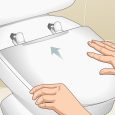
- Raised toilet seats
- Toilet safety frames
These devices help with balance, transfers, and stamina. A shower chair, for example, can turn bathing from a draining endurance event into a manageable routine. Grab bars can also reduce the strain on wrists and fingers when stepping in and out of the tub.
Mobility Aids for Lower-Body Joint Pain
Psoriatic arthritis does not limit itself to the hands. When the knees, ankles, feet, hips, or lower back are involved, mobility aids may help reduce pain and increase confidence. This is not a sign of failure. It is smart biomechanics.
Common mobility aids
- Canes
- Walkers
- Trekking poles
- Supportive shoe inserts or orthotics
- Cushioned footwear with stable soles
A cane or walker may improve stability and reduce pain during walking, especially when one side hurts more than the other or balance feels shaky. Shoe inserts and orthotics may also help redistribute pressure and improve support for painful feet. Because fit and technique matter, it is best to get guidance before buying or relying on a mobility device full time.
If you have swelling in a whole finger or toe, heel pain, or foot pain that changes how you walk, do not guess your way through it. A specialist can help identify whether you need footwear changes, orthotics, bracing, or a different strategy altogether.
Home and Work Modifications That Act Like Assistive Devices
Some of the best assistive tools are not gadgets at all. They are changes in setup. A smarter environment can reduce repetitive stress and make tasks easier all day long.
At home
- Store commonly used items at waist level
- Use lever-style door handles when possible
- Choose lightweight dishes and pans
- Use carts or baskets with wheels for laundry or groceries
- Keep a reacher in the bedroom, kitchen, and laundry area
At work
- Use an ergonomic keyboard and mouse
- Try a vertical mouse if wrist pain is constant
- Use voice-to-text software on painful days
- Raise screens to reduce neck strain
- Take scheduled stretch and posture breaks
These changes may sound boring, but boring is underrated. If a setup helps you type longer, cook with less pain, or recover faster after activity, boring is beautiful.
How to Choose the Right Assistive Device
Not every gadget labeled “arthritis-friendly” deserves a spot in your home. Some are useful. Some are basically overpriced plastic with good marketing. Choose devices based on your symptoms, your most difficult tasks, and the joints affected.
Ask yourself these questions:
- Which task causes the most pain: opening, lifting, walking, standing, dressing, bathing, or typing?
- Which joints are the main troublemakers: fingers, wrists, knees, feet, or back?
- Do you need help with grip, leverage, stability, reach, or energy conservation?
- Will you use the device every day, or only during flares?
- Can an occupational therapist or physical therapist help you test options first?
Start with the task that annoys you most often. That is where you are most likely to notice a real quality-of-life improvement quickly.
Common Mistakes to Avoid
- Waiting too long to ask for help: You do not need to earn an assistive device by suffering first.
- Buying random gadgets online: Match the tool to the joint problem and daily task.
- Ignoring fit: Braces, canes, and orthotics work best when properly fitted.
- Using devices instead of medical care: Tools help function, but they do not replace treatment for inflammation.
- Pushing through every painful task: Modifying a task is often smarter than forcing it.
When to Work With an Occupational Therapist or Physical Therapist
If psoriatic arthritis is interfering with basic daily activities, work tasks, household chores, or mobility, professional input is worth it. An occupational therapist can recommend adaptive tools, teach joint protection, suggest home changes, and show you easier ways to do routine tasks. A physical therapist can help with strength, movement, balance, and safe use of mobility aids.
This is especially helpful if you are dealing with frequent flares, hand dysfunction, foot pain, repeated falls, or fatigue that makes everyday life harder to manage. The right clinician can save you time, money, and a drawer full of disappointing gadgets.
Daily Experiences With Assistive Devices for Psoriatic Arthritis
People living with psoriatic arthritis often describe the condition less as “constant pain” and more as “constant negotiation.” You negotiate with your hands before opening a milk carton. You negotiate with your feet before taking the stairs. You negotiate with your energy before deciding whether folding laundry is a normal chore or today’s Olympic event.
One of the most common experiences is morning stiffness. A person may wake up and feel as if their fingers belong to someone else entirely. On those days, an electric toothbrush, a pump bottle, or a built-up handle can make the first hour much easier. These tools do not feel dramatic, but they can remove enough friction from the morning routine that the whole day starts on a better note.
Another common experience is the difference between “good days” and “flare days.” On a good day, someone may barely think about their jar opener or reacher. On a flare day, those same tools become essential. This is why many people prefer devices that are simple, visible, and easy to grab quickly instead of complicated systems that require effort to set up. When your joints are angry, convenience is not laziness. It is strategy.
Hand pain creates its own kind of frustration because so many daily tasks depend on pinch strength. Buttoning a shirt, turning a key, chopping vegetables, lifting a coffee mug, and signing your name can all feel weirdly difficult. People often report that large-grip tools help not because they make the task effortless, but because they make it possible without that sharp, draining ache afterward. There is a big emotional difference between “I cannot do this” and “I can do this with a workaround.”
Lower-body symptoms create a different experience. Some people with psoriatic arthritis say walking can feel unpredictable. Their knees may seem fine in the morning and irritated by afternoon. Their feet may hurt more on hard floors or after standing in line. A cane, orthotic insert, or shower chair may not feel glamorous, but many people describe a sense of relief once they stop fighting the idea of using them. The device becomes less of a label and more of a tool that protects independence.
There is also the experience of public misunderstanding. Assistive devices are often associated with age or permanent disability, but psoriatic arthritis can fluctuate. A person may use a brace one week and not the next. They may need a grab bar at home but appear completely fine at lunch. That mismatch can make people hesitate to use helpful devices because they worry others will not understand. In reality, the best device is the one that helps you function safely, not the one that looks invisible to everyone else.
Many people eventually discover that assistive devices are not about giving in. They are about getting smarter. They reduce friction, preserve energy, and make room for the parts of life that deserve more attention than pain. When someone can cook dinner with less strain, get dressed without dreading every button, or walk through the grocery store with more confidence, the benefit is not just physical. It is emotional. It restores a sense of control.
That may be the most important experience of all. Psoriatic arthritis can make a person feel as though the rules of their own body keep changing. Assistive devices do not solve everything, but they can make the rules easier to live with. And sometimes that small shift is exactly what helps daily life feel possible again.
Conclusion
Assistive devices for psoriatic arthritis are not one-size-fits-all, but the right ones can make a noticeable difference. Large-handled tools, jar openers, reachers, splints, bath safety equipment, mobility aids, and simple home modifications can all reduce joint strain and make daily tasks more manageable. The best approach is personalized, practical, and flexible enough to change with your symptoms.
If a task hurts, drains you, or makes you feel unsteady, that is not a personal failure. It is useful information. Listen to it. With the help of the right devices, good medical care, and thoughtful support from OT or PT professionals, living with psoriatic arthritis can become less about brute force and more about smart adaptation.